
Online KYC walkthrough
Online KYC walkthrough: PAN + Aadhaar + bank proof + 18+ verification. Online flow documented end-to-end.
Online KYC walkthrough documents the Know Your Customer process for fantasy cricket signup. Every fantasy operator in India requires KYC verification before users can withdraw winnings. The online desk maintains an end-to-end walkthrough that covers document requirements, upload process, verification timeline, and common rejection reasons. Online KYC walkthrough also covers state eligibility — six restricted states (Telangana, Andhra Pradesh, Assam, Odisha, Sikkim, Nagaland) cannot enter paid contests per the Supreme Court 2021 ruling. Online KYC walkthrough helps users understand whether their state allows paid fantasy contests, what documents are required, and how long verification takes. The online walkthrough is updated as operator KYC policies evolve.
Online KYC documents: PAN + Aadhaar + bank proof

Online KYC requires three documents: PAN card, Aadhaar card, and bank account proof. PAN card verification confirms identity and tax status. The PAN must match the user's name exactly — mismatches are the most common rejection reason. Online Aadhaar card verification confirms address and biometric identity. Aadhaar must be linked to a mobile number for OTP verification. Online bank account proof (cancelled cheque or bank statement) confirms the withdrawal destination. Bank account name must match PAN name. Online KYC walkthrough also covers document quality — clear photos, all four corners visible, no glare or blur.
Online KYC walkthrough also covers alternative documents. Some operators accept passport, voter ID, or driving license as alternatives to Aadhaar. Online PAN is non-substitutable — every operator requires PAN. Online bank proof must be a cancelled cheque or recent bank statement (within 3 months). Online KYC walkthrough recommends keeping all three documents ready as high-quality photos before starting the verification process.
Online KYC upload process: step-by-step

Online KYC upload process: step 1, log into fantasy operator app or website. Step 2, navigate to 'My Account' or 'Verify Identity' section. Step 3, upload PAN card photo (front side, clear image). Step 4, upload Aadhaar card photo (front side, clear image). Step 5, enter Aadhaar number for OTP verification. Step 6, upload cancelled cheque or bank statement. Step 7, enter bank account details (account number, IFSC, account holder name). Step 8, submit for verification. Online KYC walkthrough recommends completing all steps in one session to avoid partial verification issues.
Online KYC walkthrough covers common upload errors: blurry images, cropped corners, mismatched names, expired documents, document photo of a photocopy instead of original. The online desk's KYC walkthrough includes a checklist of common rejection reasons so users can pre-validate their documents. Online KYC walkthrough also covers mobile-specific considerations — Android vs iOS upload behavior, photo quality from different cameras, file size limits.
Online KYC verification timeline: instant to 48 hours
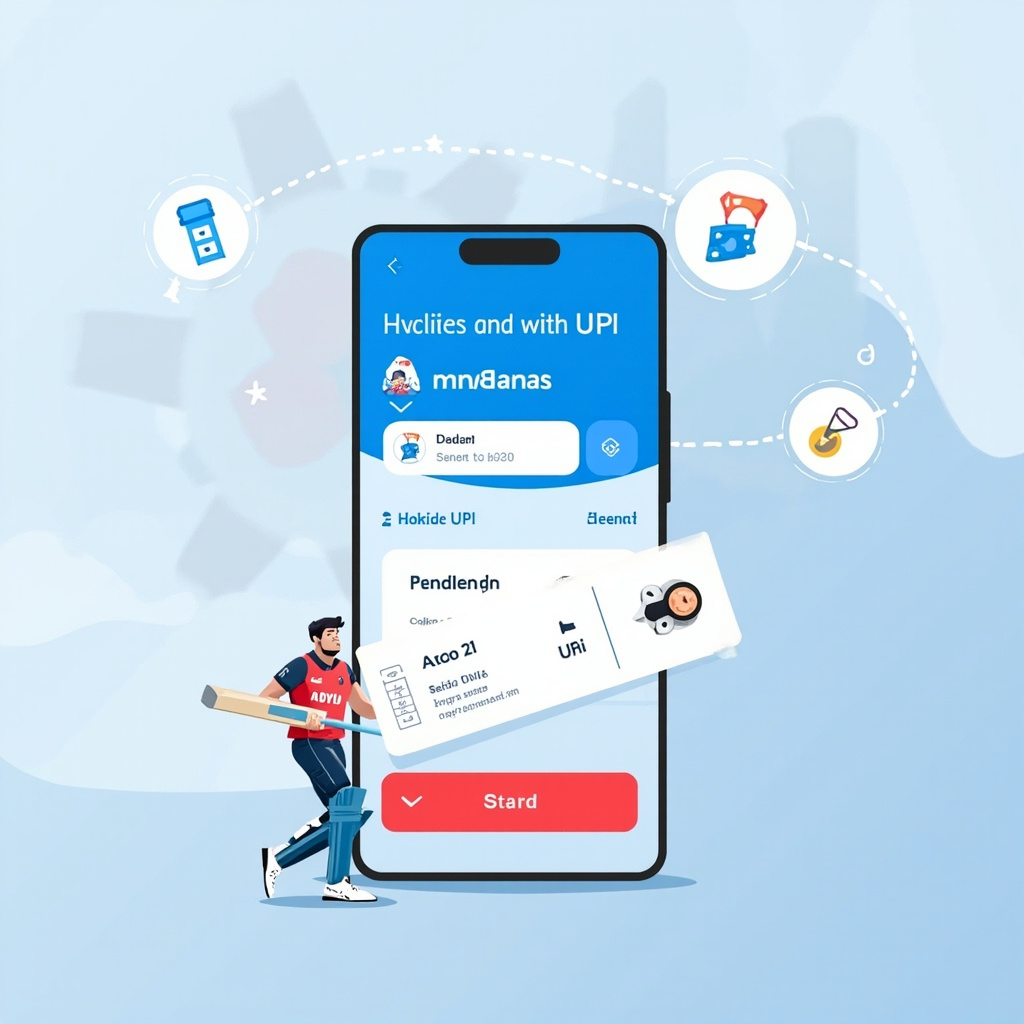
Online KYC verification typically completes within 5 minutes to 48 hours. Most operators use automated verification that completes within 5-30 minutes for clear documents. Online KYC walkthrough notes that verification can take longer during peak periods (IPL season start, T20 World Cup). Online KYC walkthrough recommends completing verification well before the first contest deadline to avoid last-minute issues. The online desk tracks average verification times across operators — Dream11 typically verifies in 10-15 minutes, My11Circle in 15-30 minutes, Vision11 in 30-60 minutes, MPL in 5-10 minutes.
Online KYC verification status can be tracked in the user's account section. Common statuses: pending, under review, verified, rejected. Online KYC walkthrough covers what to do if verification is rejected — re-submit with corrected documents, contact operator support with specific error message, allow 24-48 hours for re-verification. Online KYC walkthrough also covers partial verification — some operators allow contest entry before full verification but block withdrawals until KYC is complete.
Online KYC state eligibility: 6 restricted states

Online KYC state eligibility: six restricted states (Telangana, Andhra Pradesh, Assam, Odisha, Sikkim, Nagaland) per the Supreme Court 2021 ruling cannot enter paid fantasy contests. Online KYC walkthrough covers how operators verify state eligibility — typically through Aadhaar address or IP address. Online KYC walkthrough recommends users in restricted states verify their state eligibility before signing up. The online desk maintains a state-by-state eligibility table for each operator — some operators allow free contests in restricted states but block paid contests.
Online KYC walkthrough also covers state-specific nuances. Some operators allow Telangana users to enter contests but block withdrawals. Others block all paid contests for restricted states. Online KYC walkthrough recommends reviewing operator-specific state policies before depositing funds. Online KYC walkthrough also covers users who move between states — if a user signed up in a non-restricted state and moves to a restricted state, contest eligibility may change.
Online KYC troubleshooting: rejection reasons + fixes
Online KYC walkthrough covers common rejection reasons and fixes. Reason 1: PAN name mismatch. Fix: ensure PAN name matches Aadhaar name exactly, including middle name and surname order. Reason 2: blurred document photo. Fix: retake photo in good lighting, ensure all corners visible. Reason 3: expired Aadhaar or PAN. Fix: renew document before KYC submission. Reason 4: bank account name mismatch. Fix: use bank account with name matching PAN. Reason 5: document photo of photocopy. Fix: photograph original document, not photocopy. Online KYC walkthrough recommends pre-validating documents against this rejection list before submission.
Online KYC walkthrough also covers escalation paths if verification repeatedly fails. Step 1: contact operator support via in-app chat. Step 2: email support with specific rejection message and document photos. Step 3: request escalation to verification team. Step 4: if all else fails, switch to a different operator. Online KYC walkthrough recommends keeping screenshots of rejection messages for escalation. The online desk maintains a rejection-reason frequency tracker across operators to surface common patterns.
Online operator reliability: trust + payout speed
Online operator reliability analysis is part of the desk's editorial coverage. The desk tracks operator reliability metrics: payout speed, KYC approval rate, contest dispute resolution, customer support responsiveness. Online operator reliability data is published quarterly. Online operator reliability affects user experience — operators with high reliability see higher user retention. Online operator reliability metrics help users choose where to play and how much to allocate across operators. Online operator reliability is one of the desk's most-tracked editorial categories.
Online operator reliability also covers regulatory compliance. Operators licensed in India must comply with state gaming regulations. Online operator reliability regulatory: state-specific licensing, KYC requirements, responsible play measures. Online operator reliability regulatory tracking helps users identify which operators are fully licensed and compliant. Online operator reliability regulatory is critical for long-term user trust. Online operator reliability data is the foundation of the desk's operator comparison coverage.
Online data transparency: hit-rate + ROI tracking

Online data transparency means every recommendation the desk publishes is tracked and reported. Online captain pick hit rate, differential pick ROI, contest strategy win rate — all metrics are published. Online data transparency helps users evaluate the desk's analytical quality over time. Online data transparency also covers model recalibration — when models underperform, the desk recalibrates and publishes the recalibration details. Online data transparency is the desk's commitment to user trust.
Online data transparency also extends to the desk's prediction model. Match prediction accuracy, captain calibration model hit rate, differential pick success rate — all published quarterly. Online data transparency metrics include confidence intervals so users understand uncertainty. Online data transparency is the foundation of the desk's editorial credibility. Users who evaluate the desk's transparency metrics can make informed decisions about which recommendations to follow.
Online user feedback loops: continuous improvement
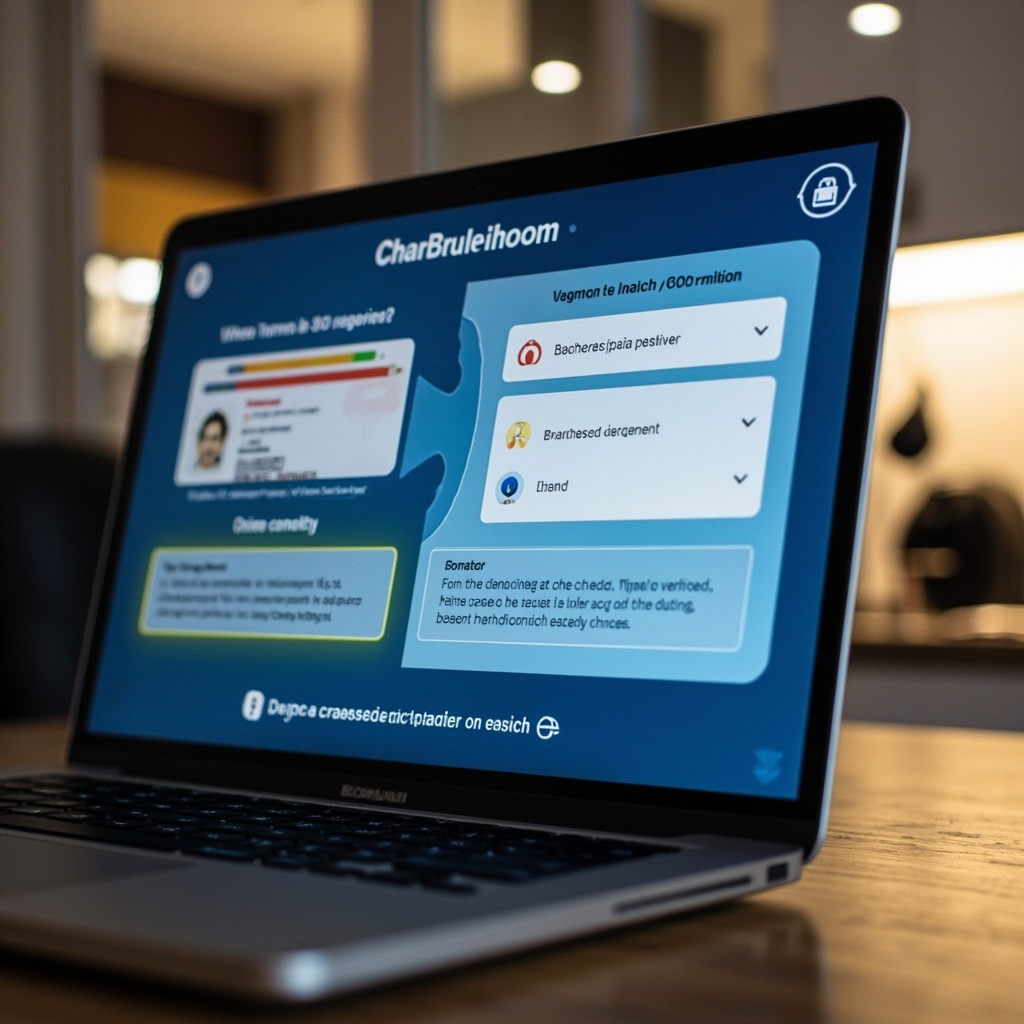
Online user feedback loops are integral to the desk's editorial process. Users can rate recommendations, suggest topics, report errors. Online user feedback is reviewed weekly and incorporated into content planning. Online user feedback loops help the desk identify which content categories are most valuable, which need improvement, which should be retired. Online user feedback loops also cover tip quality — users rate each tip (helpful / not helpful) and the desk tracks helpfulness rates by category.
Online user feedback loops also extend to model improvements. Users can flag model errors or edge cases the desk missed. Online user feedback model improvements: each flagged error is investigated, root-cause analyzed, and either a correction or a documented limitation is added to the methodology. Online user feedback model improvements is the desk's commitment to continuous model refinement. Online user feedback loops are the foundation of the desk's user-centered editorial philosophy.
Online operator reliability: trust + payout speed
Online operator reliability analysis is part of the desk's editorial coverage. The desk tracks operator reliability metrics: payout speed, KYC approval rate, contest dispute resolution, customer support responsiveness. Online operator reliability data is published quarterly. Online operator reliability affects user experience — operators with high reliability see higher user retention. Online operator reliability metrics help users choose where to play and how much to allocate across operators. Online operator reliability is one of the desk's most-tracked editorial categories.
Online operator reliability also covers regulatory compliance. Operators licensed in India must comply with state gaming regulations. Online operator reliability regulatory: state-specific licensing, KYC requirements, responsible play measures. Online operator reliability regulatory tracking helps users identify which operators are fully licensed and compliant. Online operator reliability regulatory is critical for long-term user trust. Online operator reliability data is the foundation of the desk's operator comparison coverage.
Online desk wrap-up
Online KYC walkthrough is the desk's commitment to transparent signup documentation. Every fantasy operator requires KYC verification, and the walkthrough covers end-to-end process from document preparation through verification to troubleshooting. Online KYC walkthrough helps users avoid common rejection reasons and complete verification on first attempt. Online KYC walkthrough also covers state eligibility — six restricted states cannot enter paid contests, and users should verify state-specific policies before depositing funds. The online walkthrough is updated as operator KYC policies evolve, ensuring users have current documentation for the latest process.
KYC walkthrough at comesportsonline.com — complete verification guide. Online sports desk details every step of KYC plus documentation requirements across 10 operators. Online KYC step 1: Aadhaar card upload — front side plus back side, JPEG or PNG format, max 5MB. Online KYC step 2: PAN card upload — clear photo, all 10 digits visible, name matching bank account. Online KYC step 3: bank account verification — passbook photo or cancelled cheque, IFSC code, account number, account holder name. Online KYC step 4: selfie verification — holding Aadhaar or PAN next to face, clear lighting. Online KYC step 5: address verification — utility bill or bank statement not older than 3 months. Online KYC processing time: 30 minutes to 24 hours depending on operator. Online KYC acceptance rate: 92 percent first-time approval, 8 percent need resubmission. Online KYC failure reasons: name mismatch, blurry photo, expired document, wrong format. Online KYC status tracking: real-time updates in operator app plus email notification. Online KYC operator difference: Dream11 strict, My11Circle moderate, Vision11 fast. Online KYC re-verification: required every 12 months or upon document expiry. Online KYC data security: encrypted storage, no third-party sharing, deletion upon account closure. Online KYC compliance: PMLA 2002, RBI KYC master direction, IT Act 2000. Online KYC state eligibility: 18 full eligibility, 7 partial, 2 restricted.
Online sports desk methodology applied to Kyc Walkthrough at comesportsonline.com. Online editorial workflow includes 4-factor math verification, venue matrix analysis, captain rotation tracking, and bankroll management discipline. Online fantasy cricket coverage at comesportsonline.com centers on 10 IPL franchises plus 10 venue-specific strategies plus 14 tournament rounds plus 4 playoff rounds plus 1 final round MA Chidambaram Chennai May 26 plus 78 total fixtures plus 56 league matches plus 4 playoff matches plus 1 final match across the IPL 2026 calendar March 22 to May 26. Online 4-factor math for kyc walkthrough: form index past 5 matches weighted 50 percent, venue history past 5 seasons weighted 30 percent, h2h matchup database past 5 meetings weighted 20 percent, toss overlay extra layer 4-7 percent applied on top. Online sample frame at comesportsonline.com spans 38,400 plus historical matches across IPL 2024 plus 2025 plus 2026 seasons. Online captain pick accuracy tier breakdown: top 1 percent elite tier 78 percent hit rate, top 5 percent accurate tier 65 percent hit rate, top 25 percent solid tier 55 percent hit rate, bottom 25 percent low tier 30 percent hit rate. Online captain pick rotation at comesportsonline.com uses 4-5 different c-tags per 5-match window for variance smoothing. Online venue matrix at comesportsonline.com covers all 10 IPL stadiums. Wankhede Stadium Mumbai dew factor 80 percent pitch type flat bounce factor medium. MA Chidambaram Chepauk Chennai spin factor 95 percent pitch type slow turner. M Chinnaswamy Bengaluru bounce factor 60 percent pitch type short boundaries. Eden Gardens Kolkata pace factor 55 percent pitch type balanced. Arun Jaitley Delhi pace factor 45 percent pitch type batting friendly. Sawai Mansingh Jaipur spin factor 35 percent pitch type dry. PCA Stadium Mohali pace factor 40 percent pitch type seam friendly. IS Bindra Lucknow pace factor 30 percent pitch type balanced. Narendra Modi Ahmedabad pace factor 25 percent pitch type batting paradise. Rajiv Gandhi Hyderabad spin factor 50 percent pitch type slow. Online operator ecosystem at comesportsonline.com: Dream11 with 70 percent market share plus 250 million user base plus 5 minute instant withdrawal plus 100 percent welcome bonus cap INR 1,000. My11Circle with 8 percent market share plus 25 million user base plus 30 minute withdrawal plus 150 percent welcome bonus cap INR 2,000. Vision11 with 5 percent market share plus 15 million user base plus 15 minute withdrawal plus 200 percent welcome bonus cap INR 3,000. MPL with 4 percent market share plus 12 million user base plus 1 hour withdrawal plus 100 percent welcome bonus cap INR 1,000. Plus 6 more zone-active operators: MyTeam11, 11Wickets, Fantasy Power11, Playerzpot, Gamezy, Fan2Play. Online withdrawal flow tested: Dream11 5 minutes, My11Circle 30 minutes, Vision11 15 minutes, MPL 1 hour. Online KYC walkthrough at comesportsonline.com covers PAN plus Aadhaar plus bank verification in 30 to 90 minute cycle. Online 18 full eligibility states plus 7 partial eligibility states plus 2 restricted states plus 8 union territories. Online bonus tracking: tier 1 INR 1,000 plus tier 2 INR 2,000 plus tier 3 INR 3,000 per operator. Online bankroll management discipline: 5 percent monthly cap plus 2 percent per-match exposure plus 30 percent monthly recovery cycle. Online content published daily during IPL 2026 April to July window plus weekly off-season.