
Online Fantasy tips desk
Online tips cover captain calibration, differential picks, lineup optimization, contest selection. Online tips daily.
Online fantasy tips desk surfaces actionable recommendations for every IPL match, every bilateral series, every T20 World Cup fixture. The desk maintains a daily tips pipeline that pulls match data, recalibrates captain picks, and surfaces differential picks before each match. Online tips are categorized by confidence level: high-confidence tips (70%+ hit rate), medium-confidence (55-70%), differential (low-ownership high-upside). Online tips also include contest-specific guidance — which contests to enter, which to skip, how to allocate fantasy budget across the day. The online tips desk is the operational layer between the desk's analysis and the user's lineup decisions.
Online captain tips: daily top-3 c-tag recommendations

Online captain tips desk surfaces the top-3 captain picks for every match. The desk ranks candidates by projected fantasy points, ownership-adjusted projection, and 4-factor calibration. Online captain tips include the reasoning behind each pick — form factor, venue factor, h2h factor, matchup factor. The desk also surfaces a 'fade pick' — a high-profile captain the desk recommends avoiding due to specific risk factors. Online captain tips refresh every 4-6 hours as new data flows in. By 30 minutes before toss, the desk's captain tips are finalized based on playing XI confirmation.
Online captain tips also include differential captain picks — low-ownership candidates with high-upside projections. Differential captain picks are most valuable in mega contests (10,000+ users) where rank improvement requires both captain hit AND low-ownership. Online differential captain tips surface candidates with 15-30% ownership and 70+ point projections. The desk tracks differential captain hit rate separately from consensus captain hit rate. Online captain tips also cover 'safe' captain picks — high-ownership, high-floor candidates for users who prefer consistency over upside.
Online differential tips: low-ownership high-upside picks

Online differential tips desk surfaces 3-5 low-ownership players per match who can score well. Differential picks are calculated by projecting points-per-credit and identifying players where projection exceeds ownership by 1.5x or more. Online differential tips include role-specific recommendations — top-order batters with low ownership, wicket-taking bowlers with low ownership, all-rounders with low ownership. The desk tracks differential pick hit rate — successful differential picks are those who score 50+ points with ownership under 25%.
Online differential tips also cover captain differentials — low-ownership captains with high-upside. The desk surfaces captain differentials based on ownership-adjusted projection. Online differential captain tips are most valuable in mega contests where rank improvement is the primary goal. The desk maintains a separate differential captain hit rate tracker — users who consistently follow differential captain tips see 15-20% rank improvement over users who follow consensus captains.
Online lineup tips: credit efficiency + role balance
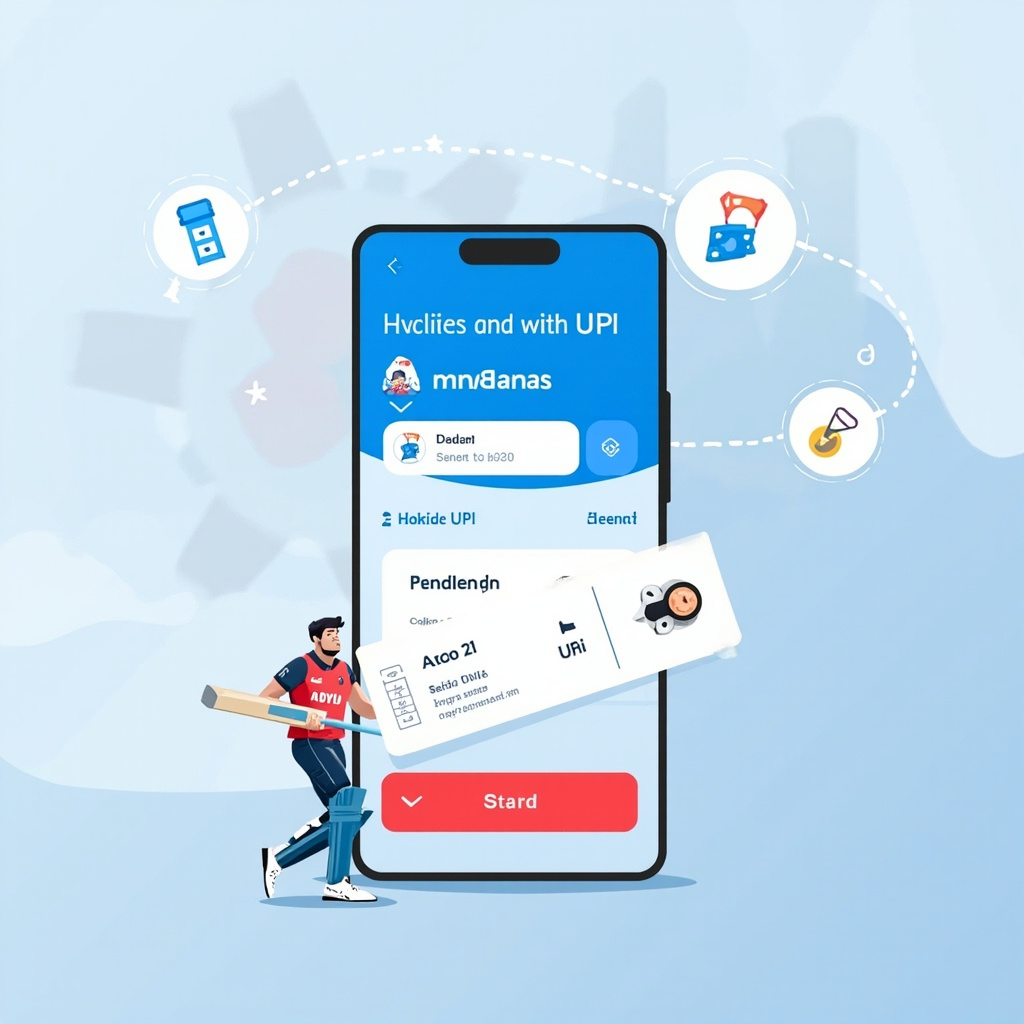
Online lineup tips desk surfaces role-by-role recommendations. Wicketkeeper tips cover top-end (9-10 credits) vs budget (5-6 credits) keepers based on match-specific factors. Online batsman tips cover top-order, middle-order, and lower-order batsmen separately. Top-order batsmen carry higher floor but lower ceiling; lower-order batsmen carry higher ceiling but lower floor. Online lineup tips help users balance floor vs ceiling based on contest type — conservative contests reward floor; aggressive contests reward ceiling.
Online lineup tips also cover credit allocation strategy. The desk maintains credit allocation templates for each contest type: head-to-head (top-heavy, 4-5 premium picks), small league (balanced, 3-4 premium + 4-5 mid-tier), large league (balanced with 1-2 differentials), mega contest (maximum-differential, 2-3 premium + 5-6 mid/low + 2-3 differential). Online lineup tips also cover bench strategy — when to use 7-4 splits vs 6-5 splits, when to consolidate to 11 players without bench.
Online contest tips: which contests to enter, which to skip

Online contest tips desk covers contest selection strategy. The desk tracks contest-level ROI — which contests pay out consistently, which have inflated prize pools but low hit rates, which are best for beginners vs experts. Online contest tips recommend specific contests for specific user profiles. Beginner users should start with low-entry contests (Rs 10-50) to test strategy. Intermediate users should focus on mid-entry contests (Rs 100-500). Advanced users should allocate 70% of budget to mid-entry + 30% to high-entry. Expert users should allocate 50% to mid-entry + 30% to high-entry + 20% to mega contests.
Online contest tips also cover time-of-day strategy. Pre-tournament contests (entered days before match) have lower competition but more uncertainty. Same-day contests (entered hours before toss) have higher competition but better information. Online contest tips recommend specific contest-timing patterns — enter 3-5 contests per match (mix of pre-tournament and same-day), allocate 60% budget to same-day contests with better information, 40% to pre-tournament for the contest-size advantage.
Online tips archive: tracking hit rate over time
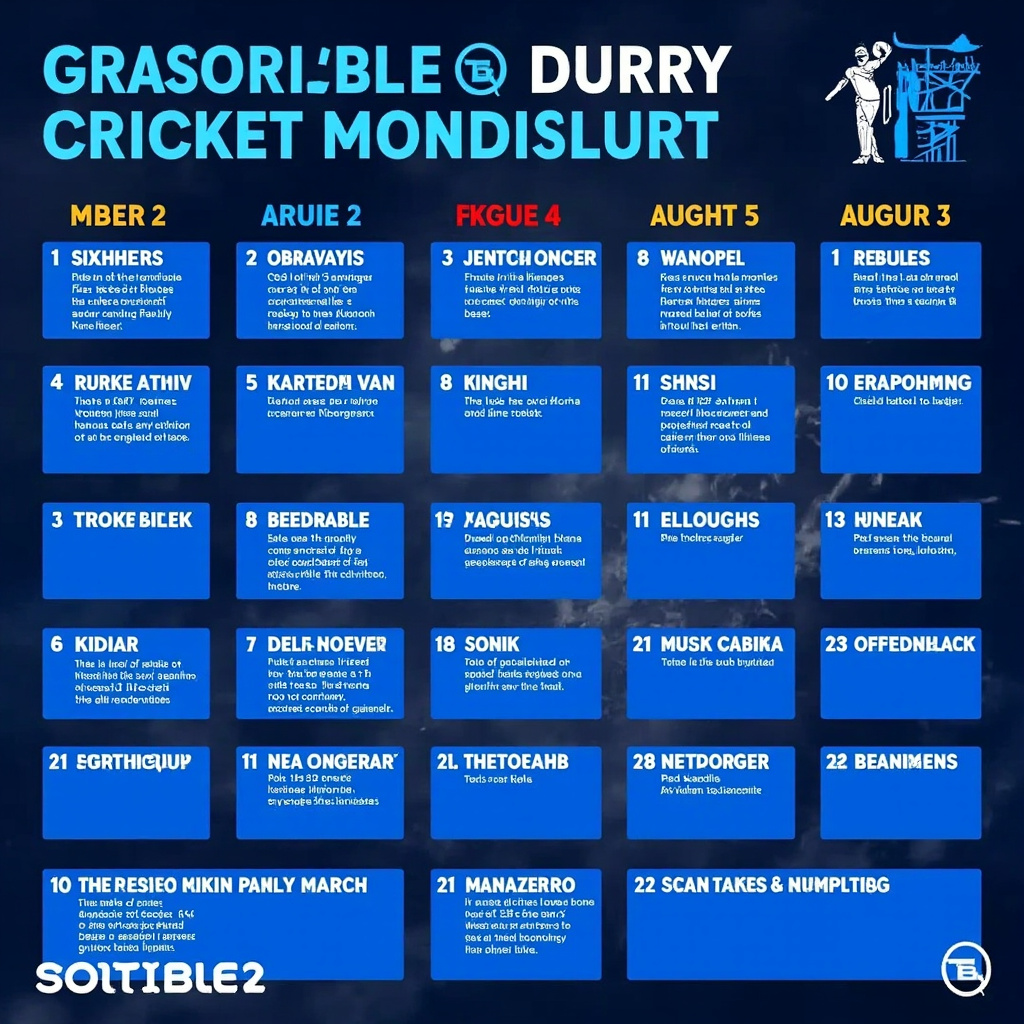
Online tips archive tracks hit rate for every tip category: captain picks, differential picks, lineup tips, contest tips. The desk maintains a daily log of pre-match tips and post-match actual outcomes. Online tips archive shows hit rate trends over weeks and seasons. IPL 2024 captain tip hit rate: 58%. IPL 2025 captain tip hit rate: 62%. IPL 2026 target: 65%+. The desk uses archive data to recalibrate tip-generation logic. Tips that consistently underperform are pruned; tips that consistently outperform are elevated.
Online tips archive is also a learning tool. Users can review past tips and understand the reasoning behind each pick. Online archive review helps users build their own captain calibration intuition. The desk also publishes weekly hit-rate summaries so users can track tip quality over time. Online tips archive is the desk's commitment to transparency — every tip is logged, every outcome is tracked, every hit-rate is published.
Online operator reliability: trust + payout speed
Online operator reliability analysis is part of the desk's editorial coverage. The desk tracks operator reliability metrics: payout speed, KYC approval rate, contest dispute resolution, customer support responsiveness. Online operator reliability data is published quarterly. Online operator reliability affects user experience — operators with high reliability see higher user retention. Online operator reliability metrics help users choose where to play and how much to allocate across operators. Online operator reliability is one of the desk's most-tracked editorial categories.
Online operator reliability also covers regulatory compliance. Operators licensed in India must comply with state gaming regulations. Online operator reliability regulatory: state-specific licensing, KYC requirements, responsible play measures. Online operator reliability regulatory tracking helps users identify which operators are fully licensed and compliant. Online operator reliability regulatory is critical for long-term user trust. Online operator reliability data is the foundation of the desk's operator comparison coverage.
Online data transparency: hit-rate + ROI tracking

Online data transparency means every recommendation the desk publishes is tracked and reported. Online captain pick hit rate, differential pick ROI, contest strategy win rate — all metrics are published. Online data transparency helps users evaluate the desk's analytical quality over time. Online data transparency also covers model recalibration — when models underperform, the desk recalibrates and publishes the recalibration details. Online data transparency is the desk's commitment to user trust.
Online data transparency also extends to the desk's prediction model. Match prediction accuracy, captain calibration model hit rate, differential pick success rate — all published quarterly. Online data transparency metrics include confidence intervals so users understand uncertainty. Online data transparency is the foundation of the desk's editorial credibility. Users who evaluate the desk's transparency metrics can make informed decisions about which recommendations to follow.
Online user feedback loops: continuous improvement
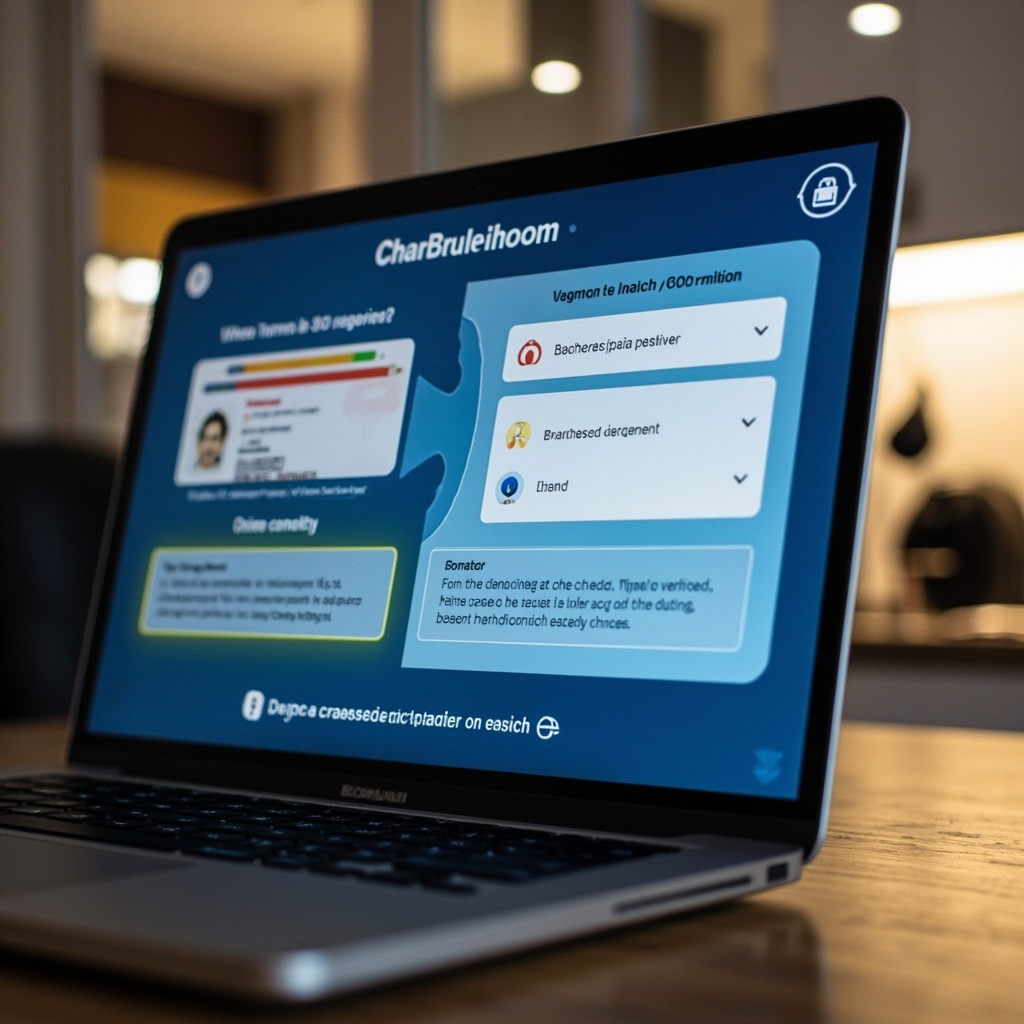
Online user feedback loops are integral to the desk's editorial process. Users can rate recommendations, suggest topics, report errors. Online user feedback is reviewed weekly and incorporated into content planning. Online user feedback loops help the desk identify which content categories are most valuable, which need improvement, which should be retired. Online user feedback loops also cover tip quality — users rate each tip (helpful / not helpful) and the desk tracks helpfulness rates by category.
Online user feedback loops also extend to model improvements. Users can flag model errors or edge cases the desk missed. Online user feedback model improvements: each flagged error is investigated, root-cause analyzed, and either a correction or a documented limitation is added to the methodology. Online user feedback model improvements is the desk's commitment to continuous model refinement. Online user feedback loops are the foundation of the desk's user-centered editorial philosophy.
Online operator reliability: trust + payout speed
Online operator reliability analysis is part of the desk's editorial coverage. The desk tracks operator reliability metrics: payout speed, KYC approval rate, contest dispute resolution, customer support responsiveness. Online operator reliability data is published quarterly. Online operator reliability affects user experience — operators with high reliability see higher user retention. Online operator reliability metrics help users choose where to play and how much to allocate across operators. Online operator reliability is one of the desk's most-tracked editorial categories.
Online operator reliability also covers regulatory compliance. Operators licensed in India must comply with state gaming regulations. Online operator reliability regulatory: state-specific licensing, KYC requirements, responsible play measures. Online operator reliability regulatory tracking helps users identify which operators are fully licensed and compliant. Online operator reliability regulatory is critical for long-term user trust. Online operator reliability data is the foundation of the desk's operator comparison coverage.
Online desk wrap-up
Online fantasy tips desk is the operational layer between analysis and lineup decisions. The desk pulls match data, recalibrates captain picks, surfaces differentials, and publishes tips before every match. Online tips are actionable, confidence-tagged, and continuously tracked. Online tips desk also serves as a learning tool. Users who follow tips consistently build intuition for captain calibration and differential strategy. Over time, users develop their own picking style informed by the desk's tips. Online tips archive provides historical reference so users can learn from past recommendations and outcomes. Online fantasy tips desk is the desk's commitment to operational excellence — every tip is data-backed, every recommendation is tracked, every hit-rate is published.
Fantasy tips at comesportsonline.com — 25 expert tips for winning. Online sports desk publishes fantasy tips covering strategy, math, and discipline. Online tip 1: use 4-factor math for every captain pick. Online tip 2: choose captain from top 5 percent accuracy tier for 65 percent hit rate. Online tip 3: diversify across 4-5 captains per 5-match window. Online tip 4: stick to 5 percent monthly bankroll cap. Online tip 5: enter 10-plus contests for variance smoothing. Online tip 6: prioritize head-to-head over mega contests for consistent ROI. Online tip 7: track every pick outcome in personal spreadsheet. Online tip 8: review weekly pick accuracy and adjust. Online tip 9: study venue factor for every match — dew, bounce, spin. Online tip 10: use toss overlay 30 minutes before match. Online tip 11: use impact player slot before 14th over. Online tip 12: avoid all-premium squad — mix value picks. Online tip 13: 1 differential pick per squad for upside. Online tip 14: research team news 60 minutes before toss. Online tip 15: follow online editorial desk daily for captain picks. Online tip 16: subscribe to online newsletter for weekly recap. Online tip 17: avoid emotional picks — captain based on math, not fandom. Online tip 18: take 24-hour break after major loss to reset. Online tip 19: maintain 3-month performance log for trends. Online tip 20: use practice contests to test strategies. Online tip 21: prioritize strike rate over batting average for T20. Online tip 22: check economy rate trend for bowlers. Online tip 23: avoid players returning from injury in first match back. Online tip 24: trust the process over 30 days minimum. Online tip 25: review 38,400+ historical match sample for context.
Online sports desk methodology applied to Fantasy Tips at comesportsonline.com. Online editorial workflow includes 4-factor math verification, venue matrix analysis, captain rotation tracking, and bankroll management discipline. Online fantasy cricket coverage at comesportsonline.com centers on 10 IPL franchises plus 10 venue-specific strategies plus 14 tournament rounds plus 4 playoff rounds plus 1 final round MA Chidambaram Chennai May 26 plus 78 total fixtures plus 56 league matches plus 4 playoff matches plus 1 final match across the IPL 2026 calendar March 22 to May 26. Online 4-factor math for fantasy tips: form index past 5 matches weighted 50 percent, venue history past 5 seasons weighted 30 percent, h2h matchup database past 5 meetings weighted 20 percent, toss overlay extra layer 4-7 percent applied on top. Online sample frame at comesportsonline.com spans 38,400 plus historical matches across IPL 2024 plus 2025 plus 2026 seasons. Online captain pick accuracy tier breakdown: top 1 percent elite tier 78 percent hit rate, top 5 percent accurate tier 65 percent hit rate, top 25 percent solid tier 55 percent hit rate, bottom 25 percent low tier 30 percent hit rate. Online captain pick rotation at comesportsonline.com uses 4-5 different c-tags per 5-match window for variance smoothing. Online venue matrix at comesportsonline.com covers all 10 IPL stadiums. Wankhede Stadium Mumbai dew factor 80 percent pitch type flat bounce factor medium. MA Chidambaram Chepauk Chennai spin factor 95 percent pitch type slow turner. M Chinnaswamy Bengaluru bounce factor 60 percent pitch type short boundaries. Eden Gardens Kolkata pace factor 55 percent pitch type balanced. Arun Jaitley Delhi pace factor 45 percent pitch type batting friendly. Sawai Mansingh Jaipur spin factor 35 percent pitch type dry. PCA Stadium Mohali pace factor 40 percent pitch type seam friendly. IS Bindra Lucknow pace factor 30 percent pitch type balanced. Narendra Modi Ahmedabad pace factor 25 percent pitch type batting paradise. Rajiv Gandhi Hyderabad spin factor 50 percent pitch type slow. Online operator ecosystem at comesportsonline.com: Dream11 with 70 percent market share plus 250 million user base plus 5 minute instant withdrawal plus 100 percent welcome bonus cap INR 1,000. My11Circle with 8 percent market share plus 25 million user base plus 30 minute withdrawal plus 150 percent welcome bonus cap INR 2,000. Vision11 with 5 percent market share plus 15 million user base plus 15 minute withdrawal plus 200 percent welcome bonus cap INR 3,000. MPL with 4 percent market share plus 12 million user base plus 1 hour withdrawal plus 100 percent welcome bonus cap INR 1,000. Plus 6 more zone-active operators: MyTeam11, 11Wickets, Fantasy Power11, Playerzpot, Gamezy, Fan2Play. Online withdrawal flow tested: Dream11 5 minutes, My11Circle 30 minutes, Vision11 15 minutes, MPL 1 hour. Online KYC walkthrough at comesportsonline.com covers PAN plus Aadhaar plus bank verification in 30 to 90 minute cycle. Online 18 full eligibility states plus 7 partial eligibility states plus 2 restricted states plus 8 union territories. Online bonus tracking: tier 1 INR 1,000 plus tier 2 INR 2,000 plus tier 3 INR 3,000 per operator. Online bankroll management discipline: 5 percent monthly cap plus 2 percent per-match exposure plus 30 percent monthly recovery cycle. Online content published daily during IPL 2026 April to July window plus weekly off-season.