Tilak Varma Calls India’s 2-0 Zimbabwe Lead ‘a Relief’ as Bowling All-Rounder Push Reshapes the XI
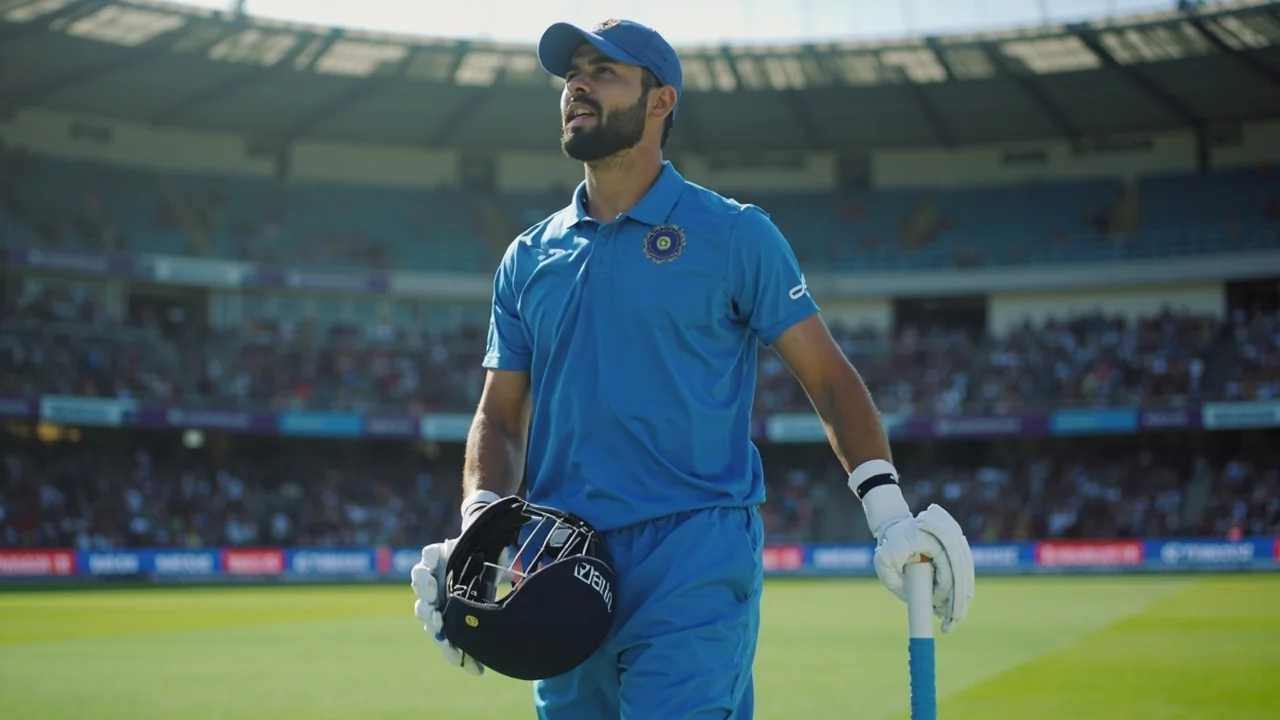
India walked into Harare Sports Club on Saturday carrying two straight series losses and a vice-captain who had spent the week telling anyone with a microphone that he was ready to bowl. By the close of the second T20I, both stories had moved in the same direction: a 90-run win, an unassailable 2-0 lead in the three-match series, and Tilak Varma walking off with the player-of-the-match cheque after an unbeaten 60 off 29 balls and two tight overs of off-spin that included the wicket of Ryan Burl.
The Numbers That Settled the Match
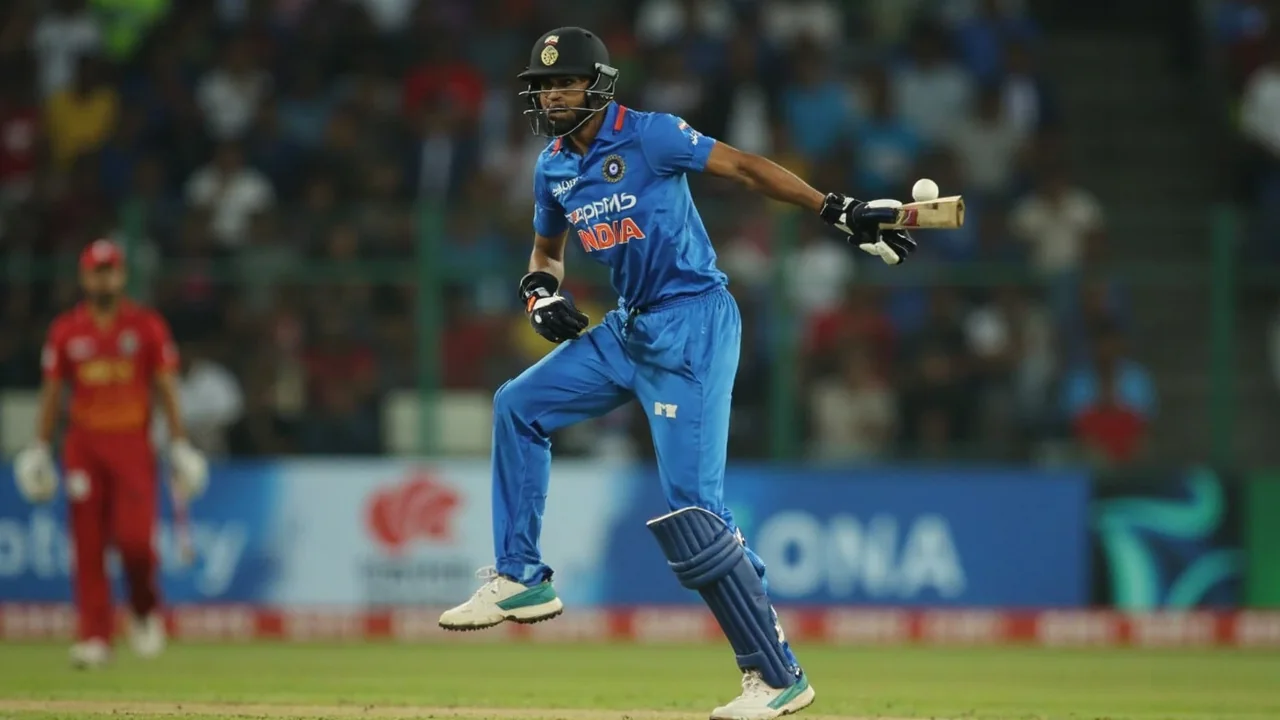
The second T20I turned on a 94-run partnership that started the moment Shreyas Iyer walked back for 25. Ishan Kishan, recalled into the XI after his long absence from the international setup, top-scored with 81 off 44 deliveries and treated the powerplay like a personal net session. Varma played the other half of the stand with the kind of control that does not show up in the strike-rate column — the older, quieter Tilak who picks the gaps and waits for the wrong ball. By the time the innings closed, India had posted a total that Zimbabwe’s batting order never looked like chasing.
Zimbabwe were bowled out for 129. Abhishek Sharma’s left-arm spin returned 3 for 17 and gave the chase its shape inside the first ten overs; the rest of the attack took care of the lower order. Varma’s contribution with the ball was smaller in volume but pointed in intent: two overs, 1 for 9, the Burl wicket, and a senior batter visibly working on a part of his game the Indian management has been quietly asking him to expand since the Ireland defeat.
The margin — 90 runs — is large enough to remove any qualifiers from the result. With one game to spare, India have won the series and the management has a dead rubber on Sunday to test combinations before the next white-ball block.
What Tilak Actually Said
Speaking in a BCCI video posted on X after the match, Varma framed the win in personal terms. “It’s quite a bit of a relief for us. If you see, the last two series didn’t go our way. But especially the way we have played the last two games was really good.” The quote is short, the relief is real, and the second clause is the one that travels furthest: this Indian side has been answering the Ireland and England losses in series order, game by game, and the second T20I was the loudest answer yet.
The bowling quote is the more interesting half of the interview. Varma has been a part-time option for India in white-ball cricket since his debut, used for one or two overs of slow left-arm orthodoxy in the middle phase. In Harare he bowled off-spin — a different discipline, a different release, and the kind of technical change that does not happen by accident. Asked about it after the match, he was direct: he is working on his bowling so he can give the team two or three overs in every game, not just the occasional match-up over.
For a 23-year-old who has batted at No. 3 and No. 4 across formats in the last eighteen months, the public commitment to a bowling upgrade is a statement of intent. He is no longer asking to be picked as a batter alone.
The Kishan-Varma Pairing and the Iyer Question
The 94-run stand between Kishan and Varma was not in India’s original middle-order plan for this tour. The squad that travelled to Zimbabwe was built around Iyer at No. 3 and Varma at No. 4, with Rinku Singh and one of the maiden call-ups pencilled in for the finisher’s role. Iyer’s 25 was a useful contribution rather than a statement, and the fact that the stand grew as large as it did tells you that the management was happy to let Kishan take the new-batter role once the senior man was dismissed.
That is a small data point with a larger implication. India have spent the last two years searching for a long-term opening-Kishan-and-finishing-with-Rinku template that does not require Hardik Pandya in the XI. Harare suggests the search is narrowing: Kishan as the in-form accelerator at No. 3, Varma as the controlled middle-overs batter who can also bowl, Rinku or one of the younger finishers at six. The Iyer role in this XI may now be situational rather than automatic, which is a more honest use of his white-ball record than the last six months.
It is also worth noting that none of the three batters in question have been picked on form alone. Kishan’s recall was the headline selection of the tour; Iyer’s return to the T20I side was a courtesy after the England ODI leg; Varma’s elevation to vice-captain was the management’s clearest signal of succession intent. Watching the three of them bat together in Harare — even briefly — was the most informative single passage of play for India’s white-ball structure since the IPL ended.
Abhishek Sharma’s Spell and the Left-Arm Wrist-Spin Question
Abhishek Sharma’s 3 for 17 was the most decisive individual bowling performance of the match and a continuation of a tour-long argument the Indian management is making internally. Left-arm wrist-spin is back in the white-ball conversation in India after a long absence; the format rewards wrist-spin more than finger-spin in the powerplay, and the management has been searching for a third option alongside Kuldeep Yadav and Yuzvendra Chahal. Sharma is the leading candidate.
The Zimbabwe batters treated him with the kind of respect that suggests they had not seen enough of him on tape. His three wickets came at different phases of the innings — a powerplay breakthrough, a middle-overs containment over, and a death-over dismissal — which is exactly the workload India would want from a frontline wrist-spin option. Combined with the death bowling of the seamers and Varma’s middle-overs off-spin, the attack looks deeper than it has at any point in 2026.
There is a question mark over the third seamer slot — Mukesh Kumar and Khaleel Ahmed have been rotating the role across the two matches so far, and the third game is the obvious place to give one of them a longer spell. But that is a depth-chart question, not a selection crisis.
Why ‘Relief’ Is the Right Word
The Ireland defeat in June was a freak result on a difficult surface; the England loss at home in July was a flat performance in conditions India usually dominate. Two straight series losses is not a form crisis in any statistical sense, but in a dressing room that has spent the last three years building toward the 2027 ODI World Cup and the 2026 T20 World Cup cycle, it is the kind of run that turns into a conversation the management does not want to have. Varma’s word for the Zimbabwe win — “relief” — captures exactly that: the pressure of having to win the next one, removed.
There is also a personal angle. Varma is 23, has been a senior India cricketer for less than two years, and is now the vice-captain on a tour in a country India do not visit often. He has been asked to bat at No. 3, No. 4 and No. 5 across formats in that period. He has been asked to bowl more. He has been asked to speak to the media after losses that were not his fault. The Harare performance is the first time in this cycle where the public answer and the private workload have lined up.
It is the kind of win that does not show up on a tournament table but absolutely shows up in a dressing room.
What to Watch in the Dead Rubber and Beyond
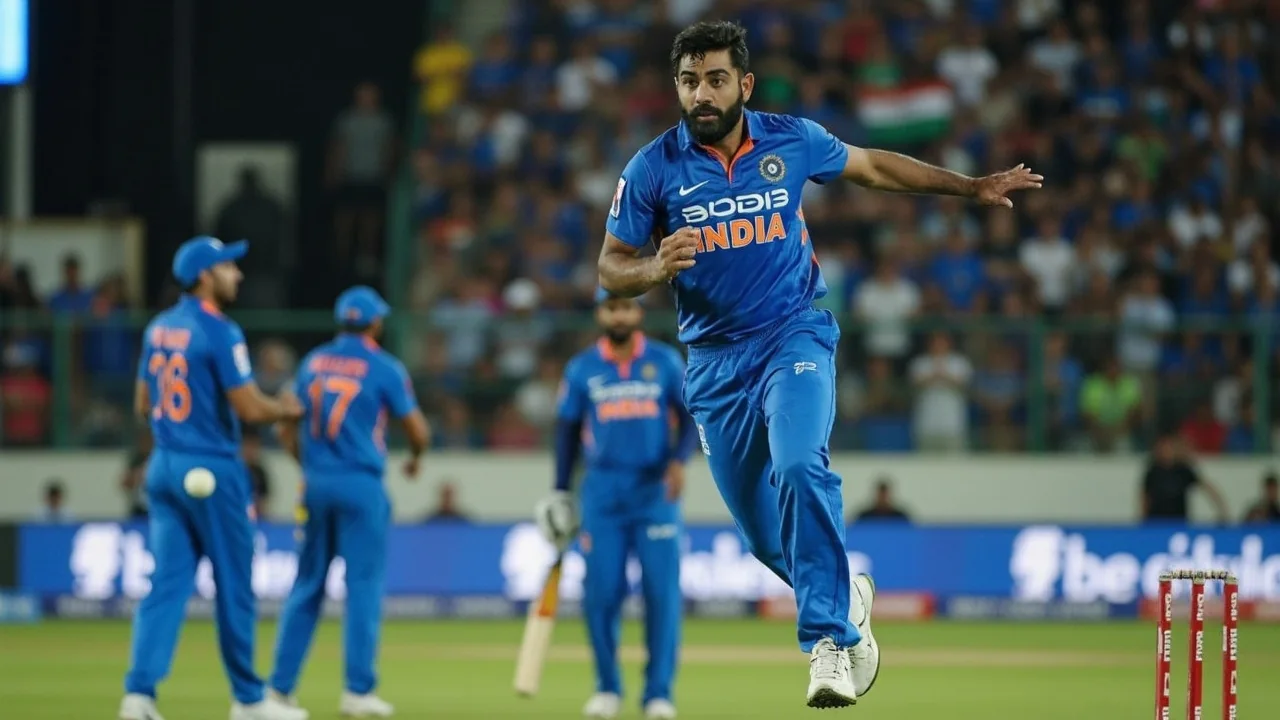
Sunday’s third T20I is, formally, a dead rubber. Informally, it is the dress rehearsal for the Asia Cup selection meeting and the first marker of how the management wants to use the August rest window. Three things are worth tracking. First, the third-seamer slot — does Mukesh Kumar get a full four-over spell, or does Khaleel Ahmed get a longer run? Second, the batting order at the top — does Sanju Samson come back into the XI, or does the management prefer to give the Kishan-at-three template one more game? Third, Varma’s bowling quota — does he get three overs in a low-pressure chase, which would be the clearest signal yet that the upgrade is permanent?
The series result also closes one chapter and opens another. With the T20I leg of the tour complete, India’s next white-ball assignment is the Asia Cup in September, followed by the home ODI series against New Zealand and the start of the 2027 World Cup preparation block. The selection conversations that will define the next nine months — senior core, all-rounder slot, third seamer, wrist-spin depth — all take their first concrete shape from the eleven that takes the field in Harare on Sunday.
For Tilak Varma personally, the dead rubber is the easiest game of the tour. He has the vice-captaincy, the player-of-the-match award, and a public commitment from the dressing room that his bowling is part of his role going forward. The pressure of the result is off. The work, clearly, is not.
Frequently Asked Questions
What was the result of the second T20I between India and Zimbabwe in Harare?
India won by 90 runs at Harare Sports Club on 25 July 2026 to take an unassailable 2-0 lead in the three-match series. India’s total was anchored by Ishan Kishan’s 81 off 44 and Tilak Varma’s unbeaten 60 off 29. Zimbabwe were bowled out for 129, with Abhishek Sharma taking 3 for 17.
What did Tilak Varma say after the win?
In a BCCI video posted on X, Varma called the result “quite a bit of a relief,” noting that the last two series against Ireland and England did not go India’s way, and praised the way the team had played in both Zimbabwe matches. He also confirmed he is working on his bowling to contribute two or three overs per game.
Who took the wicket of Ryan Burl?
Tilak Varma took the wicket of Ryan Burl, finishing with bowling figures of 1 for 9 from two overs. Burl was one of three Zimbabwe batters dismissed by Abhishek Sharma, alongside the two other wickets that took Sharma to 3 for 17.
Who is India’s vice-captain for the Zimbabwe T20I series?
Tilak Varma, 23, is India’s vice-captain for the three-match T20I series in Zimbabwe. Shreyas Iyer led the side in the first two games, with the all-rounder slot rotating between Rinku Singh and the younger finishers named in the squad.
Where does this series sit in India’s 2026 white-ball calendar?
The Zimbabwe T20I series sits between the home England ODI leg that ended in July and the Asia Cup in September. It is the first international assignment after two straight series defeats (Ireland away, England at home) and the last before the 2027 ODI World Cup preparation block.
What changes if India win the third T20I on Sunday?
A 3-0 sweep would extend the unbeaten run in the format to three matches and give the management a clean selection record into the Asia Cup. A loss would still leave India with the series win but would open the door to combination questions around the third-seamer slot and the batting order that a clean sweep would otherwise settle.
Full coverage of the India–Zimbabwe T20I series, the third-match selection calls, and the road to the Asia Cup is tracked at the cricket news desk.