Rishabh Pant Becomes First Indian to Hit 100 Sixes in Test Cricket at Galle, Joins Gilchrist, Stokes and McCullum
Rishabh Pant walked into Galle International Stadium on Tuesday with 97 Test sixes to his name and the slowest, quietest kind of chase left in Test cricket: a personal record that nobody in an India shirt had ever reached. By the tea break of day four, he had cleared the boundary over deep fine leg off Lahiru Kumara, brought up his fifty off 53 balls in the same stroke, and become the first Indian and the fourth cricketer overall to hit 100 sixes in Test cricket.
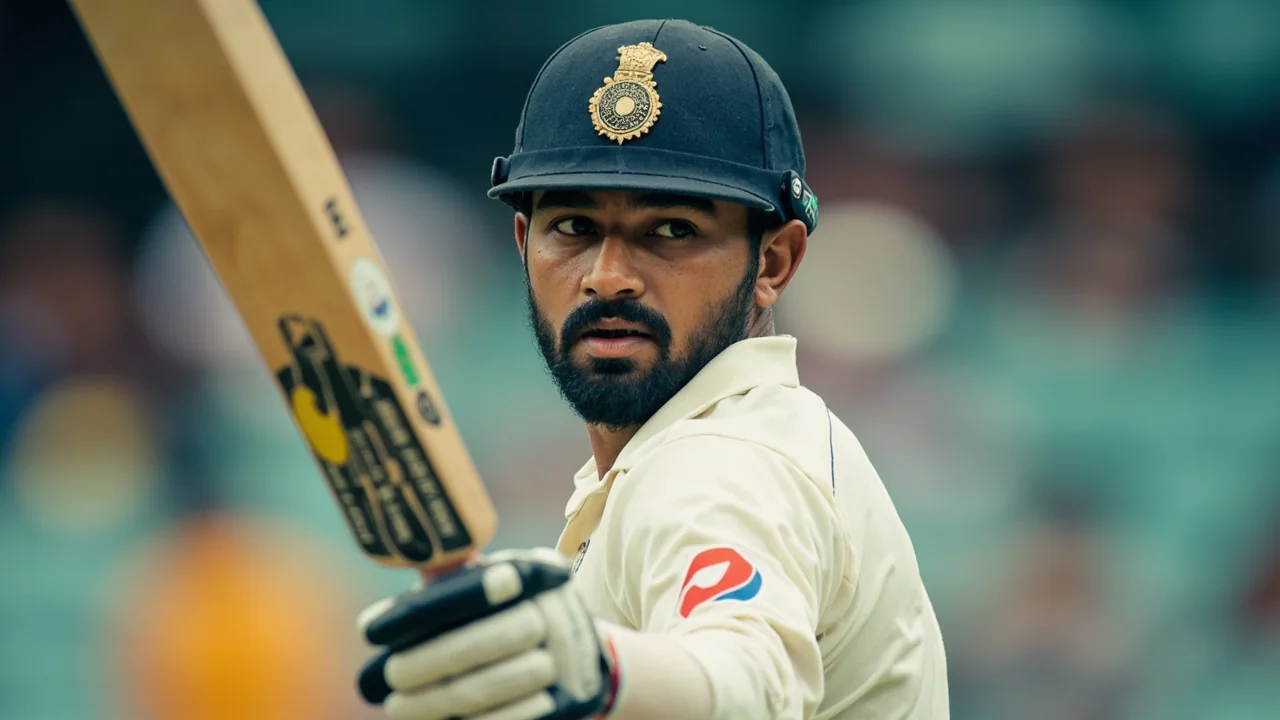
How the milestone arrived
Pant started the first Test on 97 Test sixes, a number that looked low compared with the standards set by the only three men above him on the all-time list but accurate for a wicketkeeper-batter whose career has been split by a car accident, a reconstruction and a comeback. He scored 39 from 62 balls with four fours and one six in the first innings. The boundary count matters because it shows the shape of his batting in this match: rotation, occasional pressure release, and the ability to keep scoreboard moving without overcommitting.
The second innings changed the calculation. India went in with a sizeable lead and a pitch that was still offering enough for Sri Lanka’s four seamers and Prabath Jayasuriya to ask questions of the new batter. Yashasvi Jaiswal fell to Asitha Fernando in the first over. The bowling rotated. Pant, by then set, decided the time was right to take the attack on, and the sequence of sixes that followed (off Lahiru Kumara, Asitha Fernando and Keshara Nuwantha) carried him from 97 to 100 and then past.
The 100th six itself came off Kumara and travelled over deep fine leg. The stroke also took him to his fifty off 53 balls, which is the second piece of context that matters: this was not a milestone chased by a batter playing outside his normal method. Pant has been a six-hitter in Test cricket for seven years, and the milestone arrived inside an innings that matched the way he usually bats.
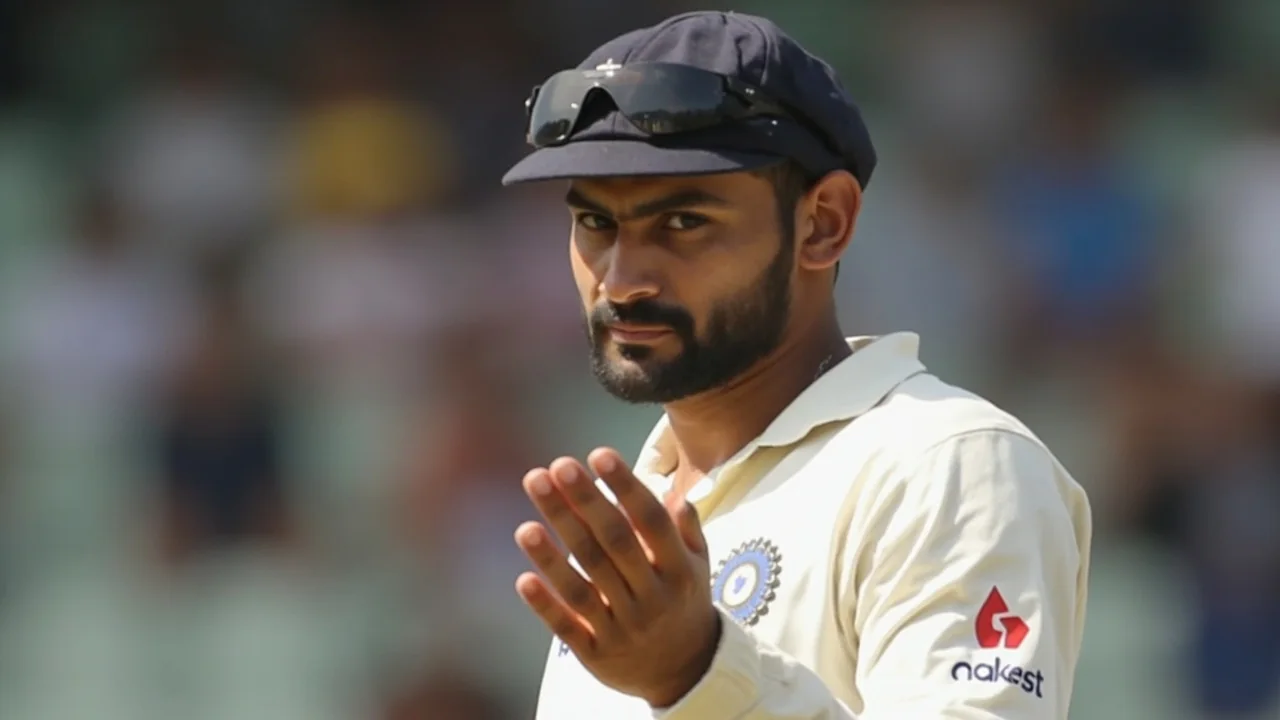
Where 100 Test sixes sits in the all-time list
Pant is the fourth cricketer in Test history to clear the 100-six mark, and the only one to do so in an India shirt. The full list, as it stands after the second innings at Galle:
- Ben Stokes (England), 138 Test sixes and counting.
- Brendon McCullum (New Zealand), 107 Test sixes, retired.
- Rishabh Pant (India), 100 Test sixes and counting.
- Adam Gilchrist (Australia), 100 Test sixes, retired at exactly 100.
Gilchrist finished his career on exactly 100, which means Pant has now equalled the Australian’s career total in fewer Tests and at a younger age. McCullum sits seven ahead; Stokes leads by 38. The gap to McCullum is small enough to be a target inside Pant’s remaining career, and the gap to Stokes is large enough that closing it would require a long run of high-impact innings.
The wider point is that the list is unusually short for a format that has been played since 1877. Test cricket’s rhythms, the size of the boundary rope in most grounds and the value attached to batting time have always limited the six-hitting rate, and only four men have now reached a number that any of the modern white-ball batters would consider routine in a single season of franchise cricket. The fact that a wicketkeeper-batter has made the list is a second-order point: it reflects how the role has changed in the post-Gilchrist era.
What the Galle session tells us about Pant’s method
India were 116 for 4 at the tea break of the second innings, with a lead of 294, KL Rahul and Devdutt Padikkal at the crease. Those numbers put the match in a position India have been comfortable in all tour: a sizeable first-innings lead, a second-innings platform that does not need to be chased, and time to bat. Pant’s contribution to that position was not a single high-impact innings; it was a sequence of sixes that kept the run rate moving against bowlers who had been getting away with slower speeds in the morning session.
Kumara, Fernando and Nuwantha took the wickets that fell to Sri Lanka in the second innings before tea: Fernando had two, Prabath Jayasuriya two, Nuwantha one. Pant took sixes off three of those four bowlers, which is the small statistic that explains why the milestone was inevitable rather than lucky. When a batter hits sixes off the three principal wicket-takers in a session, the bowling side has run out of safe match-ups and the field has to keep changing.
There is also a context piece around the left-right combination at the crease. Pant batting with Padikkal after Jaiswal’s first-over dismissal meant Sri Lanka could not stack one side of the field against a single handedness, and the rotation of strike kept the bowlers honest. Pant’s strike rate over the session sat comfortably above the innings rate, which is the working definition of a middle-order batter operating as India expect him to operate.
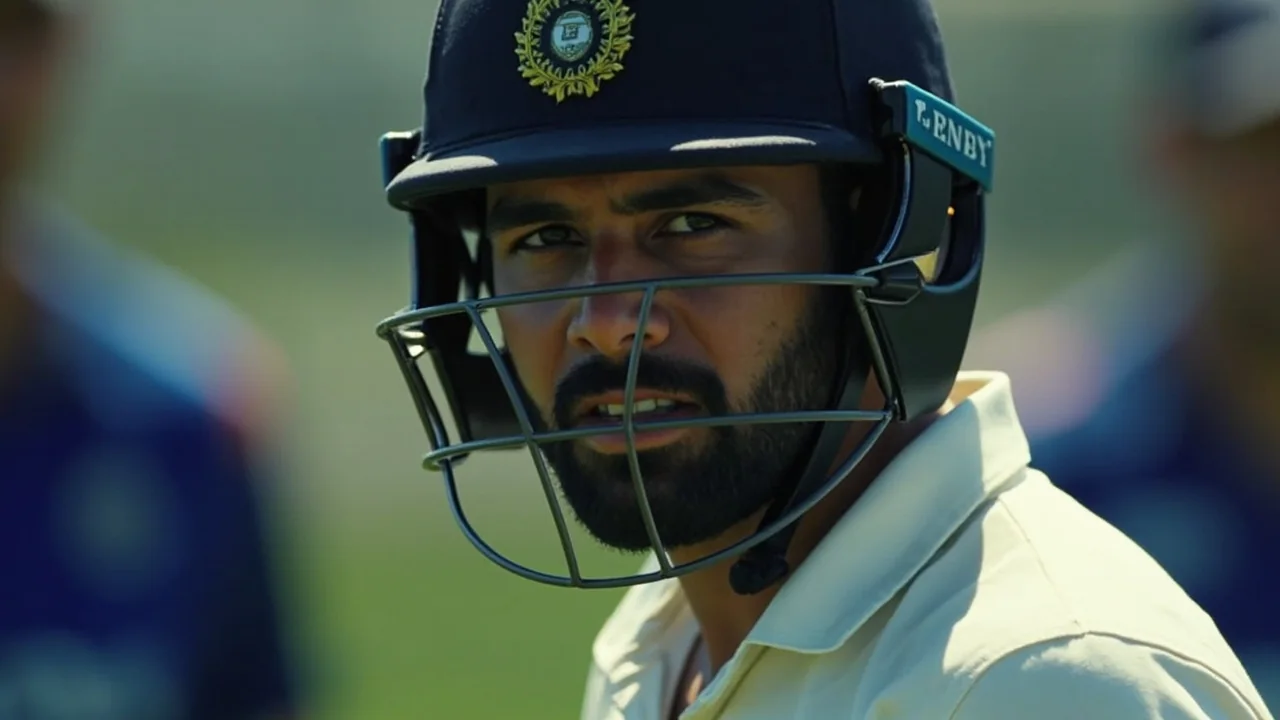
The Sri Lankan bowling picture
Sri Lanka’s attack has been thinner than the Galle surface deserved. Asitha Fernando and Prabath Jayasuriya took two wickets each in the innings before tea, with Keshara Nuwantha taking one. Lahiru Kumara, who conceded the 100th six, has been the enforcer of the pace group, but his economy has leaked in the second innings of this Test in a way that is unusual for a bowler of his role. The combination of Jayasuriya’s left-arm spin and Fernando’s seam movement remains the path back into the match for Sri Lanka, but with the lead past 290 they have to take ten wickets in the second innings while their own batters are still being asked to score at Test tempo.
There is a structural point underneath the numbers. Sri Lanka picked four seamers for this Test, which is a long-format choice on a Galle surface that has, in past seasons, rewarded spin more than pace. The decision has been read by India’s middle order as a green light to use the pace, and the number of sixes hit in the second innings so far is the visible evidence. If the second Test in the series moves to a drier surface, the same plan may not survive contact with the pitch.
What the record does and does not prove
The honest reading of 100 Test sixes is that Pant is now the most prolific six-hitter India have produced in the format, ahead of the names that usually come up in this conversation: Virender Sehwag, Kapil Dev, MS Dhoni. The list is short because Test sixes are expensive in career terms: each one costs a session at the crease, a chance of getting out to the same bowler in the same over, and a counter-question from the dressing room about whether the boundary was needed. Pant’s career has answered those questions in his favour more often than not.
The less honest reading, the one that frames 100 sixes as the marker of India’s greatest Test batter, does not survive contact with the rest of the record book. Sachin Tendulkar scored more than 15,000 Test runs at an average above 50; Rahul Dravid and Sunil Gavaskar sit on career numbers that no six-hitting record will touch. Six-hitting is one column in a long table. What it does prove is that a batter can play an attacking game in Test cricket and still build a Test career, and that is a statement worth making on its own.
The third point, which is the one that will travel furthest in the Indian dressing room, is the age comparison. Pant is 28. McCullum retired at 37 with 107. Stokes is still adding to 138. Gilchrist retired at exactly 100. The room above Pant is mostly occupied by players who kept hitting sixes well into their thirties, which is a working template for what the next decade of Pant’s career could look like if he stays fit and keeps his place.
What to watch from here
Three things are worth tracking over the remaining two sessions of this Test and the start of the series. First, the rate at which Pant moves past Gilchrist: each six from here is a clear ranking change, and the next hundred runs of his Test career will carry the storyline. Second, the second-Test selection meeting: Sri Lanka’s likely move to a drier surface will ask whether India keep the same batting order or use the break to bring one of the squad’s spinning all-rounders into the XI. Third, the impact on India’s white-ball thinking: a Test batter who has just become the fourth name on an elite six-hitting list is a batter selectors do not want to rest, which has knock-on effects for the Asia Cup squad announced later this month.
The Test result will be confirmed by stumps on day four or the morning of day five, and the next live news cycle from the Indian camp is likely to be the post-match press conference in Galle. For fantasy readers, the immediate implication is that Pant is back at the top of the wicketkeeper-batter rankings across formats, and any rest management conversation around him gets harder to justify while the Test form holds.
Frequently Asked Questions
Who was the first Indian cricketer to hit 100 sixes in Test cricket?
Rishabh Pant became the first Indian cricketer to hit 100 sixes in Test cricket on 18 August 2026, reaching the mark on day four of the first Test between India and Sri Lanka at Galle International Stadium.
How did Pant hit his 100th Test six?
The 100th six came off Lahiru Kumara in the second innings, travelling over deep fine leg. The same stroke also took Pant to his fifty off 53 balls.
Who are the other cricketers with 100 or more Test sixes?
Three other cricketers have reached 100 Test sixes: Ben Stokes (England, 138 and counting), Brendon McCullum (New Zealand, 107 at retirement), and Adam Gilchrist (Australia, exactly 100 at retirement). Pant joins them as the fourth name on the list.
How many sixes had Pant hit before this Test?
Pant entered the first Test at Galle with 97 Test sixes. He added one six in the first innings and three more in the second innings (against Lahiru Kumara, Asitha Fernando and Keshara Nuwantha) to reach and pass 100.
What was India’s position at the tea break on day four?
India were 116 for 4 at tea, with a 294-run lead. KL Rahul and Devdutt Padikkal were at the crease after Yashasvi Jaiswal fell to Asitha Fernando in the first over of the second innings.
Where does this milestone rank in Test cricket history?
Only four cricketers in Test history have hit 100 or more sixes: Ben Stokes (138), Brendon McCullum (107), Rishabh Pant (100 and counting), and Adam Gilchrist (100 at retirement). The list has been built over 149 years of Test cricket, which makes the milestone a small-club achievement.
Day-by-day coverage of the India v Sri Lanka Test series, India’s white-ball calendar and selection calls is tracked at the cricket news desk.